

RESONANCIAS IILA – CHIGIANA

As part of the collaboration established between the Accademia Chigiana and IILA – the International Italo-Latin American Organization – with the aim of strengthening cooperation with Latin American countries in the fields of high-level musical training, cultural diplomacy, and the internationalization of young Latin American talents, 6 scholarships will be awarded within the “RESONANCIAS IILA – CHIGIANA” Program.
Each scholarship will cover travel, accommodation, and meals up to a maximum of €3,000 per recipient for musicians coming from the member countries of IILA.
Scholarship recipients will also be exempt from paying the application-exam fee and the course attendance fee.
Applicants must be between 18 and 35 years of age (and in any case within the age limits specified in the regulations for each course), and born and resident in the following countries: Argentina, Bolivia, Brazil, Chile, Colombia, Costa Rica, Cuba, Ecuador, El Salvador, Guatemala, Haiti, Honduras, Mexico, Nicaragua, Panama, Paraguay, Peru, Dominican Republic, Uruguay, Venezuela.
To apply, candidates must send the following documents to IILA by April 15 at the email address: iilacandidaturas@gmail.com, a motivation letter an updated curriculum vitae, a copy of a valid passport
After verification by IILA, candidates considered eligible will be able to complete their registration through the Accademia Chigiana online platform by April 30.
Applications for admission may be submitted only by individual instrumentalists.
Only one candidate may be selected for each course.
Guitar
Guitar and Chamber Music with Guitar
Clarinet
Composition
Double Bass
Choral Conducting
Flute
Organ
Innovation in Chamber Music
Live Electronics – Sound and Music Computing
Oboe
Piano
Viola
Violin
Cello
Tabula Rasa. The Art of Improvisation
Harpsichord, Basso Continuo and Fortepiano
Baroque Flute
Baroque Oboe
Performance Practice on Violin and Viola
Viola da Gamba
Baroque Cello.

En virtud de la colaboración iniciada entre la Academia Chigiana y la IILA – Organización Internacional Italo-Latinoamericana, con el fin de fortalecer la cooperación con los países de América Latina en formación musical de excelencia, diplomacia cultural e internacionalización de jóvenes talentos latinoamericanos; se otorgarán 6 apoyos dentro del Programa “RESONANCIAS IILA – CHIGIANA” para cubrir los costos de viaje, alojamiento y manutención (hasta un máximo de € 3.000 por cada beneficiario) a músicos provenientes de los países miembros de la IILA.
Los beneficiarios también estarán exentos del pago de la matrícula y de la tasa de asistencia al curso.
Podrán postularse jóvenes con edades comprendidas entre 18 y 35 años (y en cualquier caso dentro de los límites de edad establecidos en el reglamento de cada curso), nacidos y residentes en los siguientes países: Argentina, Bolivia, Brasil, Chile, Colombia, Costa Rica, Cuba, Ecuador, El Salvador, Guatemala, Haití, Honduras, México, Nicaragua, Panamá, Paraguay, Perú, República Dominicana, Uruguay y Venezuela.
Para poder postular al programa RESONANCIAS IILA-CHIGIANA, se deberá enviar a la IILA, antes del 15 de abril, al correo iilacandidaturas@gmail.com; una carta de motivación, un currículum vitae actualizado y una copia del pasaporte vigente. Tras la verificación de la IILA, los candidatos considerados aptos podrán inscribirse a través de la plataforma online de la Academia Chigiana, antes del 30 de abril de 2026.
Solo se admitirán candidaturas de instrumentistas individuales.
Se podrá seleccionar un único candidato por cada curso.
Los candidatos podrán presentar solicitud de participación únicamente para uno de los siguientes cursos de la Chigiana Summer Academy 2026:
Guitarra
Guitarra y música de cámara con guitarra
Clarinete
Composición
Contrabajo
Dirección de coro
Flauta
Órgano
Innovación en música de cámara
Live Electronics – Informática musical y sonora
Oboe
Piano
Viola
Violín
Violonchelo
Tabula Rasa. El arte de la improvisación
Clavicémbalo, bajo continuo y fortepiano
Flauta traversa
Oboe barroco
Práctica ejecutiva en violín y viola
Viola da gamba
Violonchelo barroco.

In virtù della collaborazione avviata tra l’Accademia Chigiana e l’IILA – Organizzazione Internazionale Italo-latino americana al fine di rafforzare la cooperazione con i Paesi dell’America Latina sulla formazione musicale di eccellenza, la diplomazia culturale e l’internazionalizzazione dei giovani talenti latinoamericani, saranno assegnate 6 borse di studio all’interno del Programma “RESONANCIAS IILA – CHIGIANA” a copertura dei costi di viaggio, alloggio e vitto (fino ad un massimo di € 3.000 per ciascuno) ad altrettanti musicisti provenienti dai Paesi membri dell’IILA. Gli assegnatari delle borse di studio saranno inoltre esonerati dal pagamento della tassa di iscrizione-esame e dalla tassa di frequenza al corso. Possono candidarsi i soggetti di età compresa tra i 18 e i 35 anni di età (e comunque entro i limiti di età previsti dal regolamento per ciascun corso), nati e residenti nei seguenti paesi: Argentina, Bolivia, Brasile, Cile, Colombia, Costa Rica, Cuba, Ecuador, El Salvador, Guatemala, Haiti, Honduras, Messico, Nicaragua, Panama, Paraguay, Perù, Repubblica Dominicana, Uruguay Venezuela. Per potersi candidare all’assegnazione occorrerà trasmettere all’IILA, entro il 15 di aprile, all’indirizzo iilacandidaturas@gmail.com una lettera motivazionale, un curriculum vitae aggiornato e la copia del passaporto in corso di validità. Dopo le verifiche dell’IILA i candidati ritenuti idonei potranno iscriversi attraverso la piattaforma online dell’Accademia Chigiana entro il termine del 30 aprile. Le domande di ammissione potranno essere presentate esclusivamente da singoli strumentisti. Potrà essere selezionato un solo candidato per ciascun corso.
Chitarra
Chitarra e Musica da camera con chitarra
Clarinetto
Composizione
Contrabbasso
Direzione di coro
Flauto
Organo
Innovation in Chamber Music
Live Electronics – Sound and Music Computing
Oboe
Pianoforte
Viola
Violino
Violoncello
Tabula Rasa. L’arte dell’improvvisazione
Clavicembalo, basso continuo e fortepiano
Flauto traversiere
Oboe barocco
Prassi esecutiva su violino e viola
Viola da gamba
Violoncello barocco.
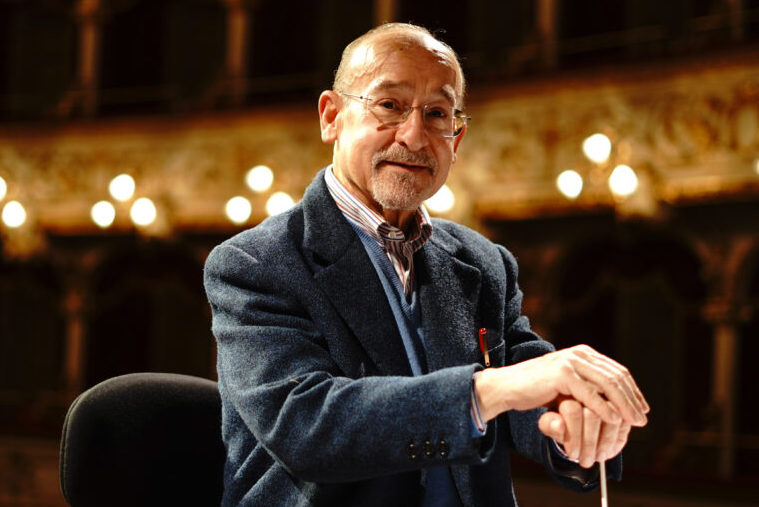
14 JULY / 25 JULY
Learn more
GENERAL INFORMATION
The course will take the form of a workshop with daily meetings.
At the opening of the course, active students must present an original composition, solo or chamber, begun (or project sketches) for an ensemble of up to eight instruments: 2 flutes (including alto flute), 2 clarinets (including bass clarinet), violin, viola, cello, piano. As work progresses, the piece will be rehearsed by the MDI Ensemble (flute, clarinet, violin, viola, cello and piano), by flutist Matteo Cesari and clarinetist Paolo Ravaglia. If possible, the composition will be performed at the final concert.
The collaboration of the soloists “in residence” will lead to lessons and analyses aimed at acquiring the necessary knowledge of the classical and modern repertoire.
Attendance as an auditor is allowed.
ADMISSION REQUIREMENTS
Applicants must submit, together with the application form, the score of one or two recent compositions. They are also required to transcribe for ensemble (4 to 7 instruments chosen among: 2 flutes, 2 clarinets, violin, viola, cello) the Sonata in D minor K. 120 L. 215 by Domenico Scarlatti.
These scores must reach the Secretariat of the Accademia Chigiana, together with the application form and the application/exam fee, by 15 May.
The Accademia Chigiana will inform all candidates of the outcome of the selection carried out by the examining committee.
Following the collaboration agreement between the Accademia Chigiana and the Associazione Filarmonica Umbra, at the end of the course Maestro Sciarrino may select one student to present a premiere composition for ensemble. This composition, commissioned by the Associazione Filarmonica Umbra, will be performed during the “Correnti del Nera” Festival 2026 as part of the “Arnia33” project.
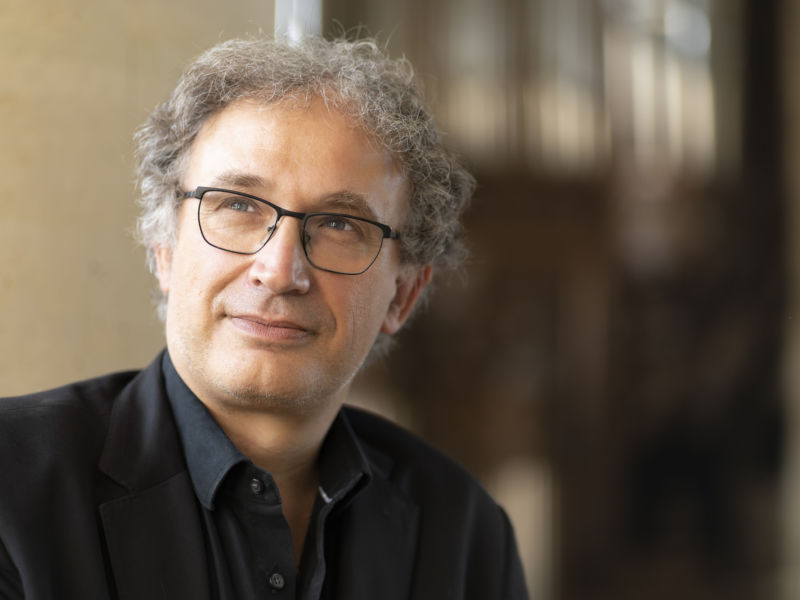
THIERRY ESCAICH
6 JULY / 11 JULY
Learn more
GENERAL INFORMATION
The course consists of the practical study of the various aspects of organ improvisation through its different forms and languages: traditional forms such as variation, fugue, passacaglia, elaborations on Gregorian chant themes or chorales, as well as free forms aimed at developing the most creative aspects within contemporary languages. Topics may include improvisation for silent films or more collective modes of improvisation.
The course is therefore intended both for musicians wishing to approach simple forms, for example for liturgical accompaniment, and for more experienced organists who wish to develop their creativity through a wide variety of rhythmic, melodic, harmonic, and sound languages.
For the admission exam candidates must present two free improvisations of approximately 5 minutes each: the first on a tonal theme (Baroque, Classical, or Romantic), respecting the style of the proposed theme; the second on a modern theme in a free style.
7 JULY / 19 JULY
Toggle title
15 JULY / 30 JULY
Learn more
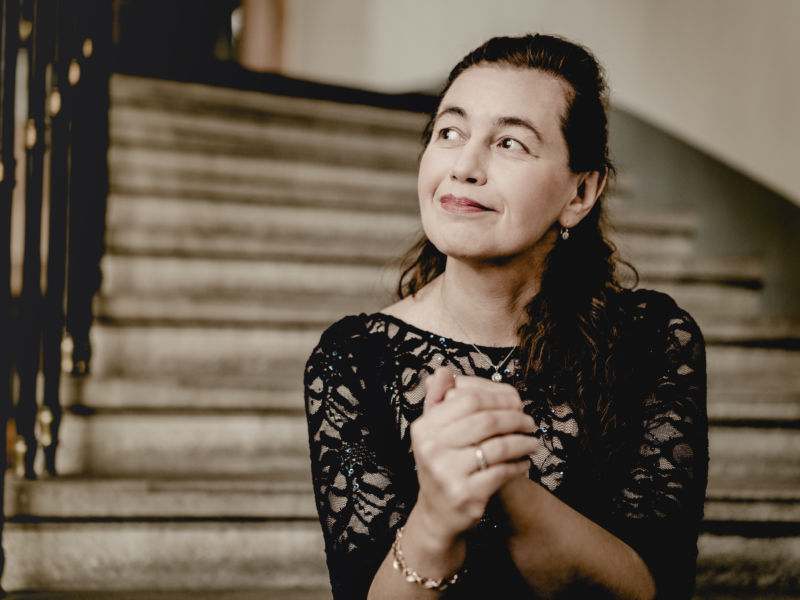
The course is open to solo pianists and piano duos (four hands).Candidates who pass the video audition may study any repertoire of their choice, to be indicated in advance on the application form. It is recommended to include at least one piece lasting approximately 5–7 minutes that may be performed at the final class concert or in other possible public performances.
Both the pieces chosen for the video audition and those selected for study during the course must be performed from memory.
Note: for information regarding reductions or exemptions from application and tuition fees, please refer to the general regulations.
ADMISSION EXAM
For the video audition, candidates must present the following:
Solo pianists: a program of approximately twenty minutes including significant works from the piano repertoire from the nineteenth century onwards.
Piano duos (four hands): a program of approximately twenty minutes including significant works from the four-hand piano repertoire from the nineteenth century onwards.
The selected repertoire must be indicated in advance on the application form.
4 AUGUST / 13 AUGUST
Toggle title
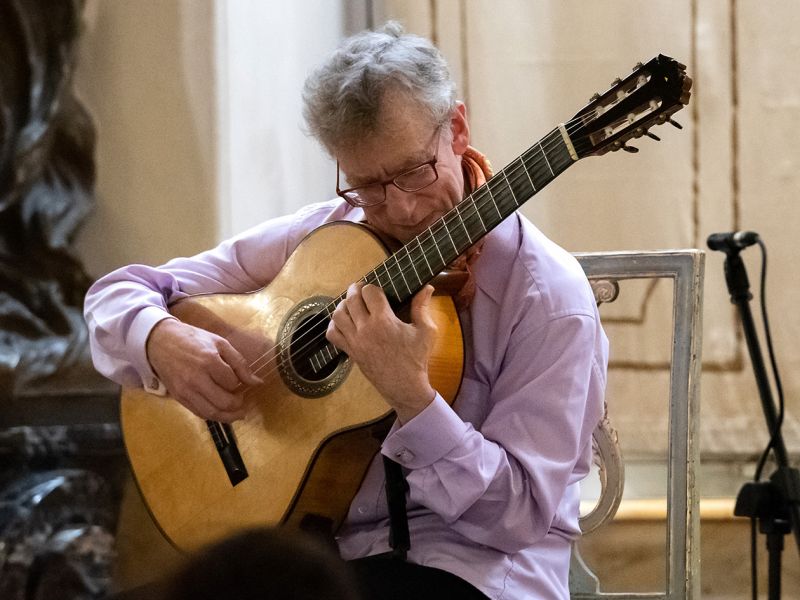
The course, open to solo guitarists and guitar duos, will focus on a repertoire spanning five centuries of music, according to the student’s interests and preferences.During the lessons, students may refine selected pieces from the guitar repertoire, to be indicated in advance on the application form.
Students admitted to both this course and the course “Guitar and Chamber Music with Guitar” will pay only one application/exam fee.
ADMISSION EXAM
For the admission exam candidates must present two pieces of contrasting character from different historical periods.
Applicants must also submit a short presentation video in which they introduce themselves and describe their musical interests.
17 AUGUST / 27 AUGUST
Learn more
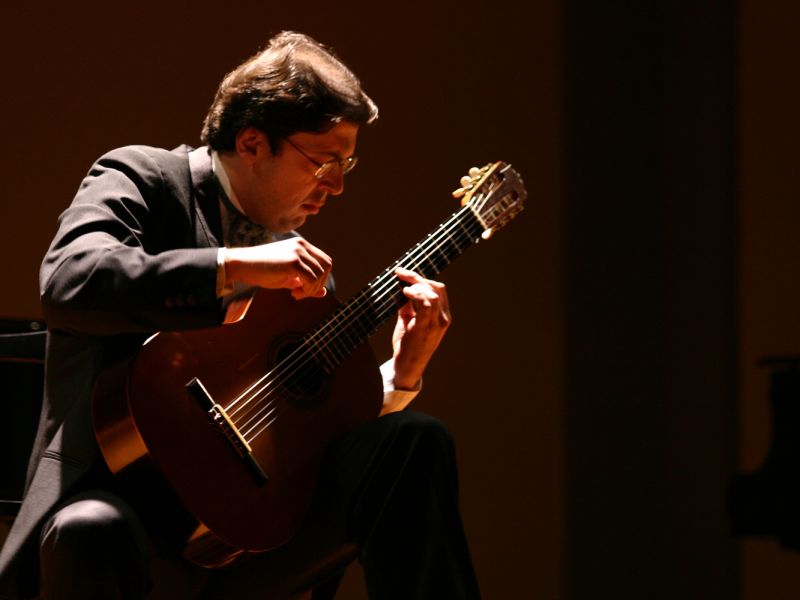
The course is open to solo guitarists, guitar duos, and chamber ensembles including guitar with string instruments, wind instruments, piano, harp, and classical voice (from duo to quintet).
ADMISSION EXAM
For the admission exam, candidates must present — indicating it in advance on the application form — a programme of approximately twenty minutes including significant works from the solo, guitar duo, or chamber repertoire, with the requirement of at least one original piece for or with guitar composed after 1960.
From this programme, the jury will select some pieces for the audition at its discretion.
Members of ensembles must each submit an individual application for admission to the course. If admitted as active participants, they may benefit from the reductions on the tuition fee traditionally established by the Accademia Musicale Chigiana.
Students admitted as active participants in the “Guitar” course will pay only one application/exam fee.
27 JULY / 8 AUGUST
Learn more
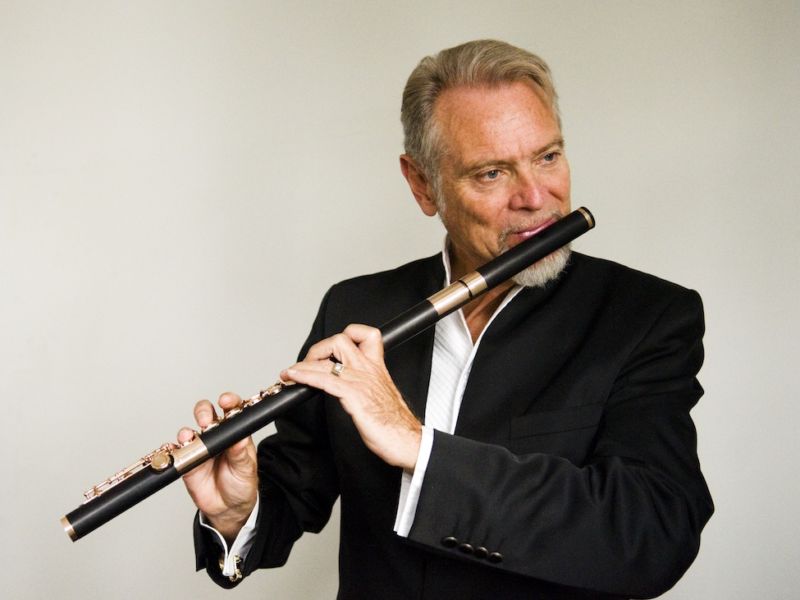
In preparation for lessons on Mozart, Bach and Telemann, the study of the following literature is also recommended (in the preferred language):– Leopold Mozart, Versuch einer gründlichen Violinschule (Treatise on the fundamental principles of violin playing)
– C.P.E. Bach, Versuch über die wahre Art das Clavier zu spielen (Essay on the true art of playing keyboard instruments)
– Joachim Quantz, Versuch einer Anweisung, die Flöte traversiere zu spielen (Treatise on playing the transverse flute)
30 JULY / 7 AUGUST
Learn more
<div class=”title-h6″><span style=”color: #9e1a3b;”><b>GENERAL INFORMATION</b></span></div>
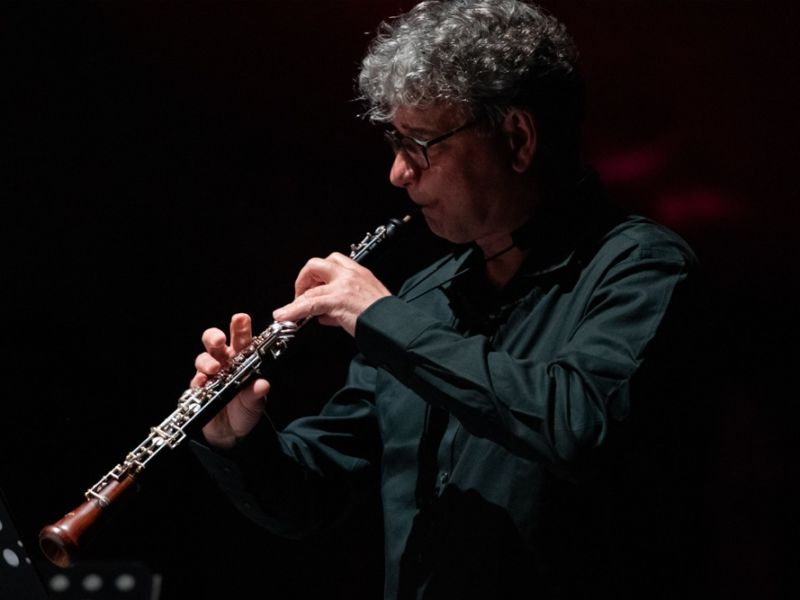
<div class=”title-h6″><span style=”font-weight: 400;”>During the course, whose repertoire will range from Couperin to Berio, students will refine pieces of their choice, to be indicated in advance on the application form.</span></div>
<div class=”title-h6″><span style=”color: #9e1a3b;”><b>ADMISSION EXAM</b></span></div>
<div class=”title-h6″>
<span style=”font-weight: 400;”>For the </span><b>admission exam</b><span style=”font-weight: 400;”> candidates must present:</span><span style=”font-weight: 400;”>- the first movement of a classical concerto of their choice</span>
<span style=”font-weight: 400;”>- one of the Fantasias by G.P. Telemann</span>
For the admission exam candidates must present:– the first movement of a classical concerto of their choice
– one of the Fantasias by G.P. Telemann
– the solo from the second movement of the Violin Concerto op. 77 by J. Brahms
J.S. Bach, Sonata in G minor BWV 1030 –
W.A. Mozart, Concerto in C major K 314 –
R. Schumann, Romances op. 94 –
R. Strauss, Concerto in D major –
L. Berio, Sequenza VII
20 JULY / 1 AUGUST
Learn more
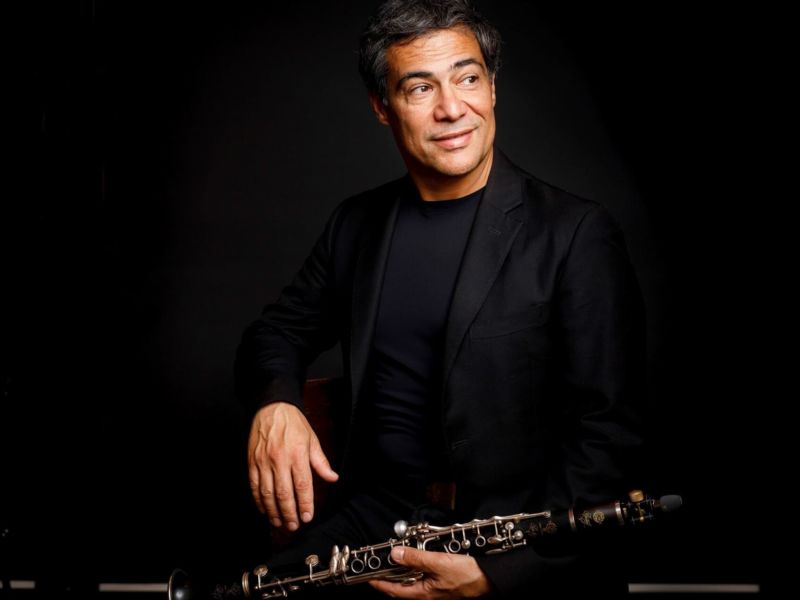
During the course, students may refine pieces of their choice, to be indicated in advance on the application form.Candidates who own a bass clarinet are kindly requested to bring it with them to Siena.
Please note: the daily schedule will be determined by the teacher each day; therefore, the lesson timetable cannot be known in advance.
For the admission exam, candidates must present the following repertoire:– K. M. von Weber, Concerto No. 1 in F minor op. 73 (1st movement)
– J. Brahms, Sonata in F minor op. 120 No. 1 (1st movement)
31 JULY / 13 AUGUST
Learn more
GENERAL INFORMATION
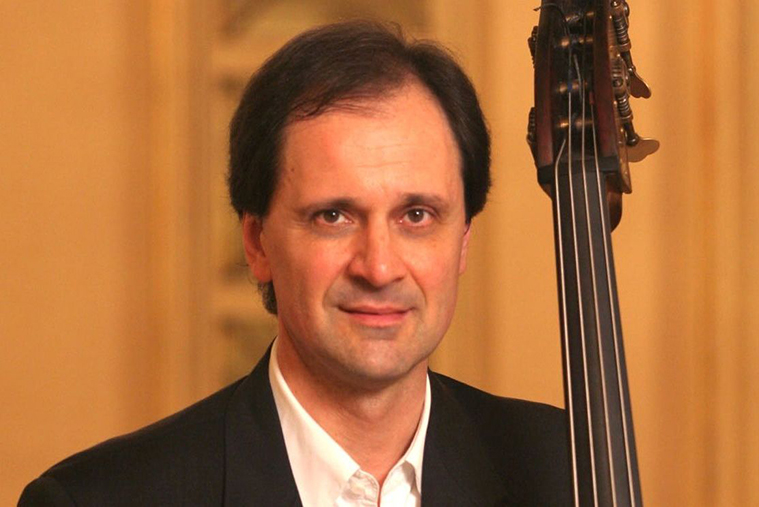
During the course, students will be able to refine pieces of their choice, indicating them in advance on the application form.
For the running of the course, solo tuning is preferred.
For study during the course, several modern concert double basses will be available to students. These instruments may be used exclusively on the premises of the Accademia Chigiana during opening hours and according to shifts to be organized within the Double Bass class.
Modern concert double basses may also be rented – subject to availability – from the Simone and Damiano Verdiani lutherie workshop in Colle Val d’Elsa (tel. +39 0577 927099 / info@contrabbassiverdiani.it).
For the admission exam candidates must present the following repertoire:
– one movement chosen from: Prelude and Allemande from Suite No. 1 BWV 1007 by J.S. Bach or from the Suite im alten Stil by Hans Fryba for solo double bass
– the first movement of a concerto or sonata from the Classical period with cadenza
– the first movement of a concerto, sonata or concert piece from the Romantic period or later
N.B. The admission exam may be taken either in orchestral tuning or in solo tuning
Learn more
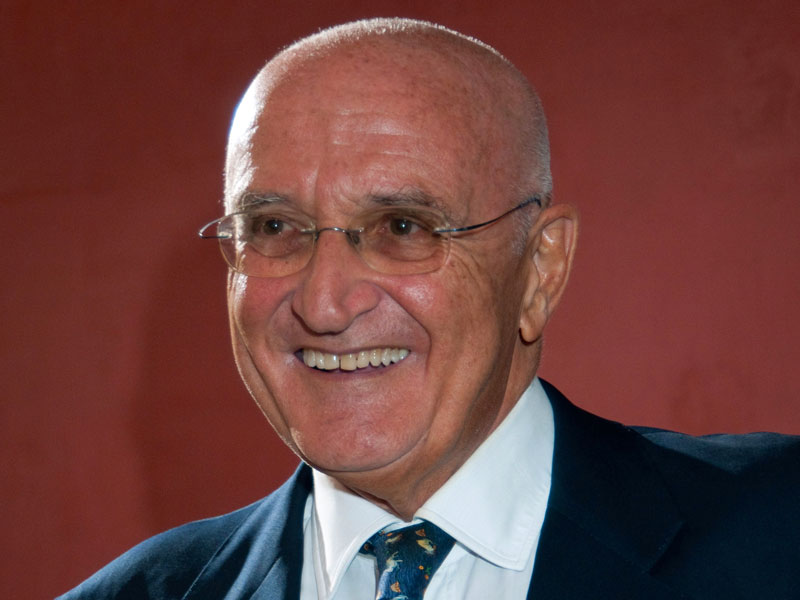
Attendance at the course — divided into two sections with two different instructors — may be either complete or limited to a single section.
July 22 – August 3
Course begins: July 22 / 3:00 p.m.
- one composition for solo violin (composed between 1650 and 1750)
- one composition from the violin repertoire with piano (composed between 1750 and 1950)
- one contemporary work (composed after 1980)
August 11 – 29
Course begins: August 13 / 9:30 a.m.
a) Paganini: one Caprice of the candidate’s choice
b) J.S. Bach: one movement from the Sonatas or Partitas for solo violin
c) Mozart: one movement from a violin concerto
d) one movement from a violin concerto of the candidate’s choice (to be indicated in advance on the application form)
3 AUGUST / 14 AUGUST

Learn more
The Viola course will be taught by Tabea Zimmermann (from August 3-8) and by Sào Soulez-Larivière (from August 9-14).
Application is only possible for the complete course.
The number of participants will be limited to 10 active students.
The students selected as active participants can suggest their repertoire wishes and will be contacted by the instructors before the start of the course to agree on the repertoire for the lessons.
Candidates should present two contrasting works of their choice, indicating them on the Application Form.
A motivational letter is also requested (for new applicants), to be included with the online application.
JEAN-GUIHEN QUEYRAS
3 AUGUST / 8 AUGUST
Learn more
<div class=”title-h6″>
<span style=”color: #9e1a3b;”><b>GENERAL INFORMATION</b></span>
</div>
<div class=”title-h6″>
<span style=”font-weight: 400;”>Attendance at the course — divided into two sections with two different teachers — may be full or limited to just one section.</span>
<span style=”font-weight: 400;”>To be admitted to each section, the candidate must pass the required exam and pay the corresponding attendance fee. The application-exam fee, however, will be required only once in the case of multiple attendance.</span>
<span style=”font-weight: 400;”>During the course, students may refine pieces of their choice, to be indicated in advance on the application form.</span>
<span style=”font-weight: 400;”>For the admission exams, candidates must present the repertoire indicated below for each teacher.</span>
</div>
<div class=”title-h6″><span style=”color: #9e1a3b;”><b>ADMISSION EXAM</b></span></div>
<div class=”title-h6″>
<b>David Geringas</b>
<span style=”font-weight: 400;”>For the admission exam, candidates must present two pieces of their choice from different periods, to be indicated in advance on the application form.</span>
<b>Jean-Guihen Queyras</b>
</div>
<div class=”title-h6″><span style=”font-weight: 400;”>For the admission exam, candidates must present two pieces of their choice from different periods, to be indicated in advance on the application form.</span></div>
NEW SOUNDS COURSES
![Krakauer-Jazz_1[1]](https://www.chigiana.org/wp-content/uploads/Krakauer-Jazz_11-800x600.jpg "Krakauer-Jazz_1[1]")
KATHLEEN TAGG
5 AUGUST / 11 AUGUST
Learn more
GENERAL INFORMATION
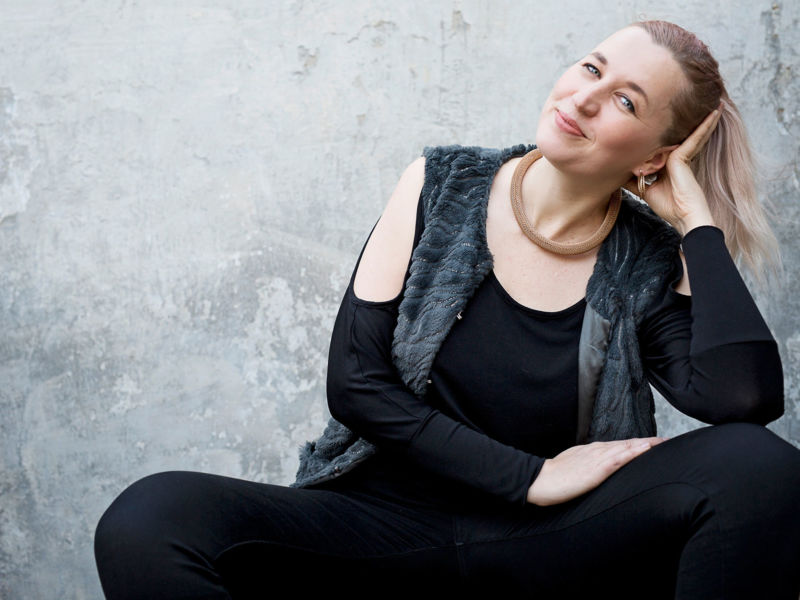
David Krakauer and Kathleen Tagg’s course is a unique opportunity to explore new paths of artistic expression.
The course is open to individual instrumentalists and pre-formed ensembles (classical, jazz, and world music).
This course, taught by internationally renowned Grammy nominated classical/world music artist David Krakauer and acclaimed pianist, composer and producer Kathleen Tagg is designed to help musicians (all genres welcome) broaden their horizons both through developing their ensemble performance skills and expanding their concepts of multi-faceted programming. The ultimate goal of the course is to help participants find their own unique voice both as soloists and ensemble players.
This course is open to advanced level classical, jazz and world musicians. Both soloists and pre-formed ensembles are encouraged to apply.
Krakauer brings his forty years of experience as a chamber musician, band leader and clarinet soloist to the table in teaching this course. As a pioneer in creating multi-genre collaborative work since the early 1990s his list of internationally renowned collaborators is a who’s-who of performers, conductors and ensembles that run the gamut of stylistic affiliations including the Kronos Quartet, Marin Alsop, the Emerson Quartet, Osvaldo Golijov, Fred Wesley, Leonard Slatkin, the Klezmatics and the Tokyo Quartet to name a few.
David Krakauer will be joined in teaching this course by his longtime collaborator Kathleen Tagg who has been commissioned by renowned soprano Golda Schultz, the Pierre Boulez Saal and the Stellenbosch chamber music festival in South Africa.
In addition to co-composing a clarinet concerto, a film score and other large scale works; Krakauer & Tagg have created a highly personal and genre-crossing body of work that incorporates multi-media, electronics and improvisation. They have appeared together on some of the world’s great stages including the Pierre Boulez Saal in Berlin, the Ars Musica Festival in Brussels, Carnegie Hall in New York City and the Théâtre du Châtelet in Paris.
ADMISSION EXAM
For the entrance exam, students must present two pieces of their choice of a contrasting nature which can demonstrate the musicality, technical abilities and artistic and repertoire orientation of the individual candidate. Pieces from the classical repertoire, new composition or mixes of classical – world – jazz music can be presented.
Candidates must also provide a CV of their studies and indicate during registration what their artistic objectives are and what they would like to work on during the course.
16 JULY / 27 JULY
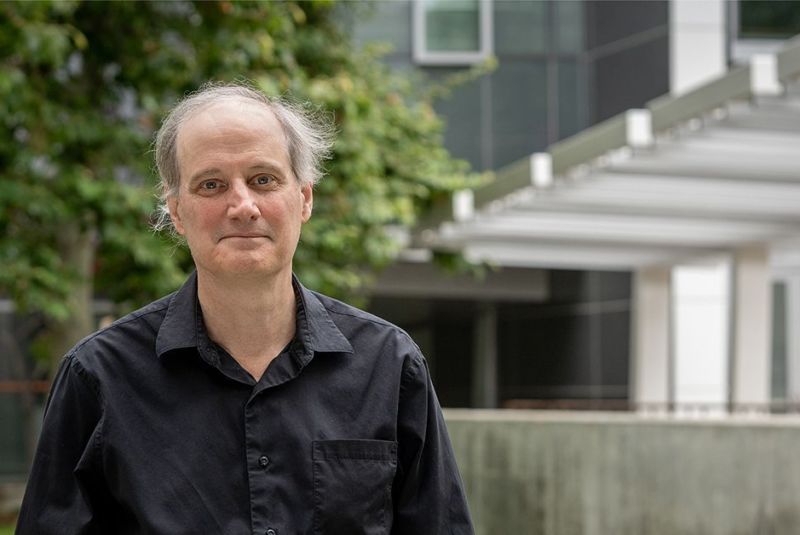
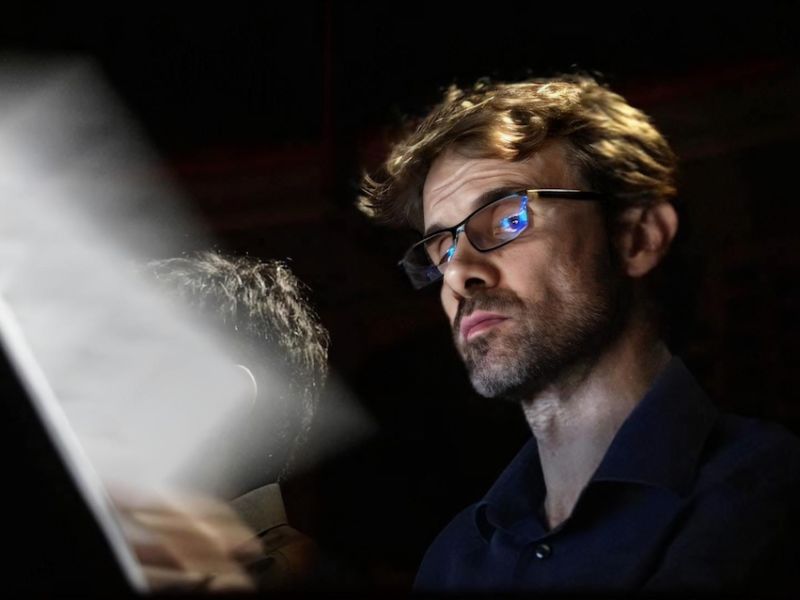
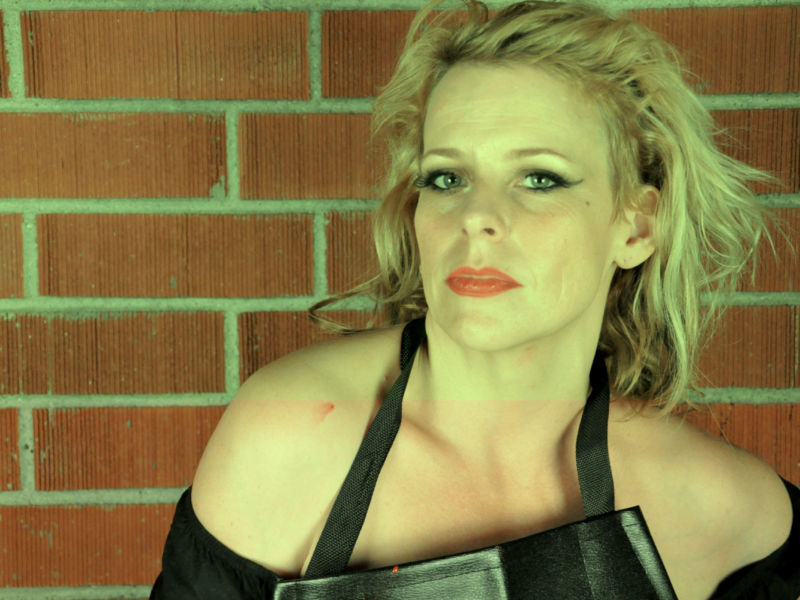
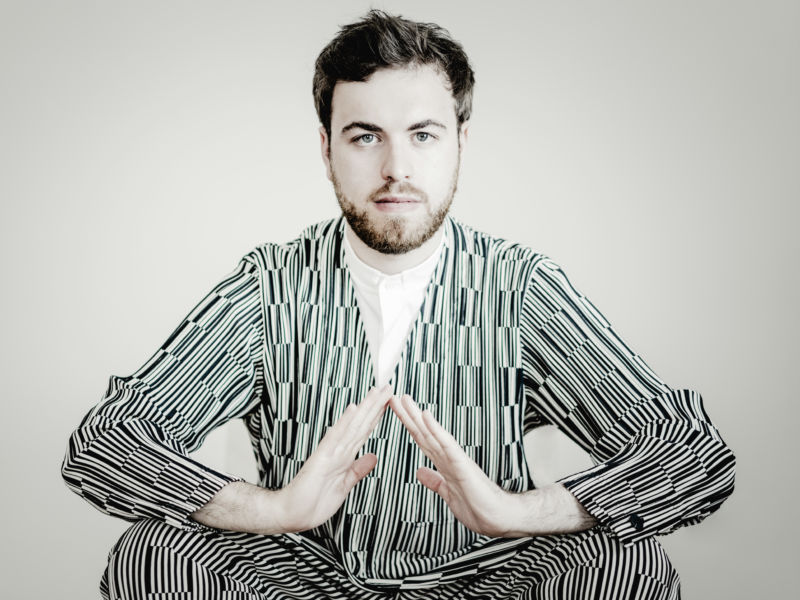
18 – 21 – 22 – 23 JULY
Learn more
GENERAL INFORMATION
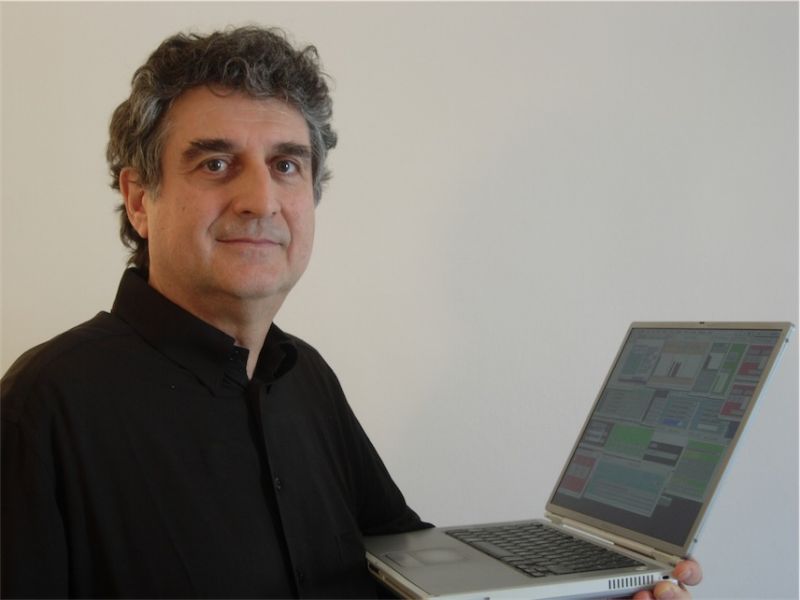
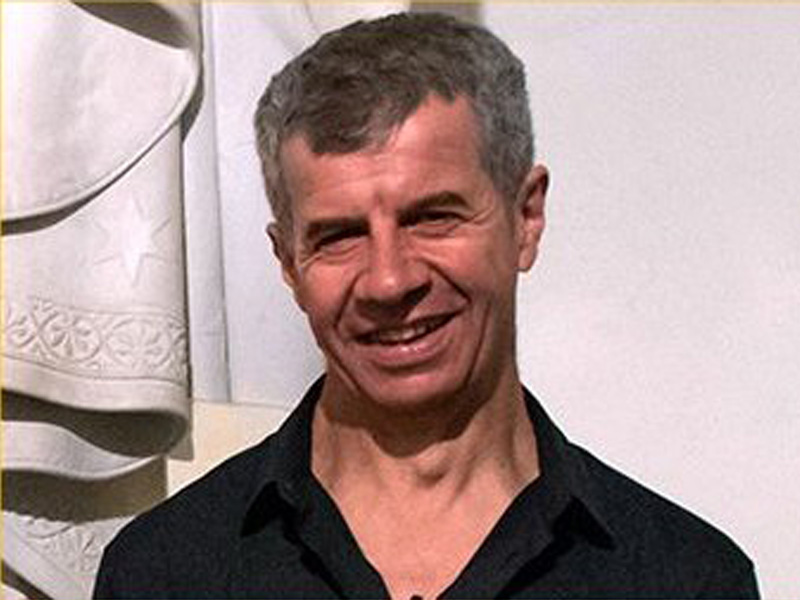
The course is intended for composers, performers and interpreters of electronic music and sound engineers who wish to deepen theoretical, technical and creative aspects related to the realization of concerts with live electronics. The online lessons are preparatory to the in-person course and will take place from 10.00 am – 1.00 pm / 3.00 pm – 6.00 pm on the following dates: 8, 15, 22 May; 5, 12 and 22 June.
The course includes two study tracks that require different admission requirements:
1 – Composition track
For the admission exam, candidates must submit the scores of two recent compositions with electronic music parts, attaching any audio files and any recordings of a performance (to be uploaded on YouTube as “unlisted”).
The scores must be sent to the Secretariat of the Accademia Chigiana via the online application form by 30 April. At the same time, the application-exam fee must be paid.
The Accademia Chigiana will inform all candidates of the results of the selection made by the examining committee by 5 May.
The course will have an analytical/theoretical character in the online lessons and a laboratory format with daily meetings in the in-person lessons.
For a limited number of candidates, it is possible to enroll as auditors.
Active students are required to present, by the date of the first online meeting, a score (or sketches) of an original composition for the following ensemble: clarinet, flute, piano (solo, duo or trio) with live electronics, whose electronic part will be developed during the lessons and performed in concert (27 July) by Yōkai ensemble (Piano: Mariacostanza D’Agostino, clarinet: Massimo Restifo Pecorella, flute: Emma Longo)
2 – Performance track
For the admission exam, candidates must submit by 30 April a technical-performance project for two pieces from the repertoire for voice or instrument or ensemble with live electronics by a well-known composer, chosen by the candidate.
The technical-performance project must be designed for performance in a hall of approximately 250 seats and indicative dimensions of 50 x 20 x 5 m (h), preferably with a single electronics performer.
Develop the project using the necessary equipment of the following audio system:
- 9 independent amplification channels with 9 full-range loudspeakers positioned on stands at variable height and orientation;
- 1 subwoofer placed on the floor with an independent amplification channel;
- a wide variety of dynamic, condenser, close-range and wireless microphones with stands and supports;
- 1 analog or digital mixer of choice;
- 1 reverb generator of choice;
- 1 personal computer with multichannel audio interface and MIDI controller of choice, software chosen by the candidate (preferred: PD, Supercollider, Csound, Faust, Max/MSP, also interconnected)
- power supply, audio and power cables, technical staff supporting installation.
The project must include:
- technical sheet;
- diagram of connections between the various devices and their placement in the hall and/or nearby spaces;
- detailed mixer configuration (inputs/outputs, internal programming);
- performance environment created on computer using the chosen software;
- text describing the actions to be performed by the performer during the performance, possibly with additional indications inserted in the score.
The theoretical lessons will explore the following issues:
– the temporal eco-sustainability of musical works with electronic parts
– the choice of technological equipment suited to sustainability
– the adaptation of past works created with technologies no longer available
– different semiographic notations functional to the reading, interpretation and reconstruction of electronic parts
– the use of scripting and automation systems for the systematic realization of electronic scores of high complexity
– the role of artificial intelligence in composition and performance
These issues still present open research aspects that will be presented by highlighting the research and investigative components necessary for in-depth realizations of past and future works.
The practical lessons involve the active participation of students in performing the electronic parts of the following compositions, which will be performed within the concerts of the Chigiana International Festival & Summer Academy 2026:
Verrando Camera Music
Coleman String quartet and electronics
Evangelisti Spazio a 5
Henze Prison Song
Doati Teoria e pratica del cambiamento
Manoury Das Wohlpräparierte Klavier (… troisième sonate…) / Tell me all. Tell me now (world premiere)
PREPARATORY ONLINE LESSONS
In the preparatory online lessons, the works with electronic parts to be performed in the Festival concerts will be analyzed and performance environments will be designed. In the on-site workshops, in addition to performing the electronic parts, issues related to capture, processing and spatialization of live sounds will be addressed, also with a view to documentation work to be carried out in post-production. Through preparation, rehearsals and performances of the electronic pieces listed above, different performance techniques will be studied using the SaMPL electroacoustic system based on d&b audiotechnik amplification, digital mixer and multichannel octophonic spatialization.
During the course period, four public conferences (“Lectures”) will be held:
- Saturday 18 July (4:30 pm) Siena Conservatory “R. Franci”: lecture by Giovanni Verrando
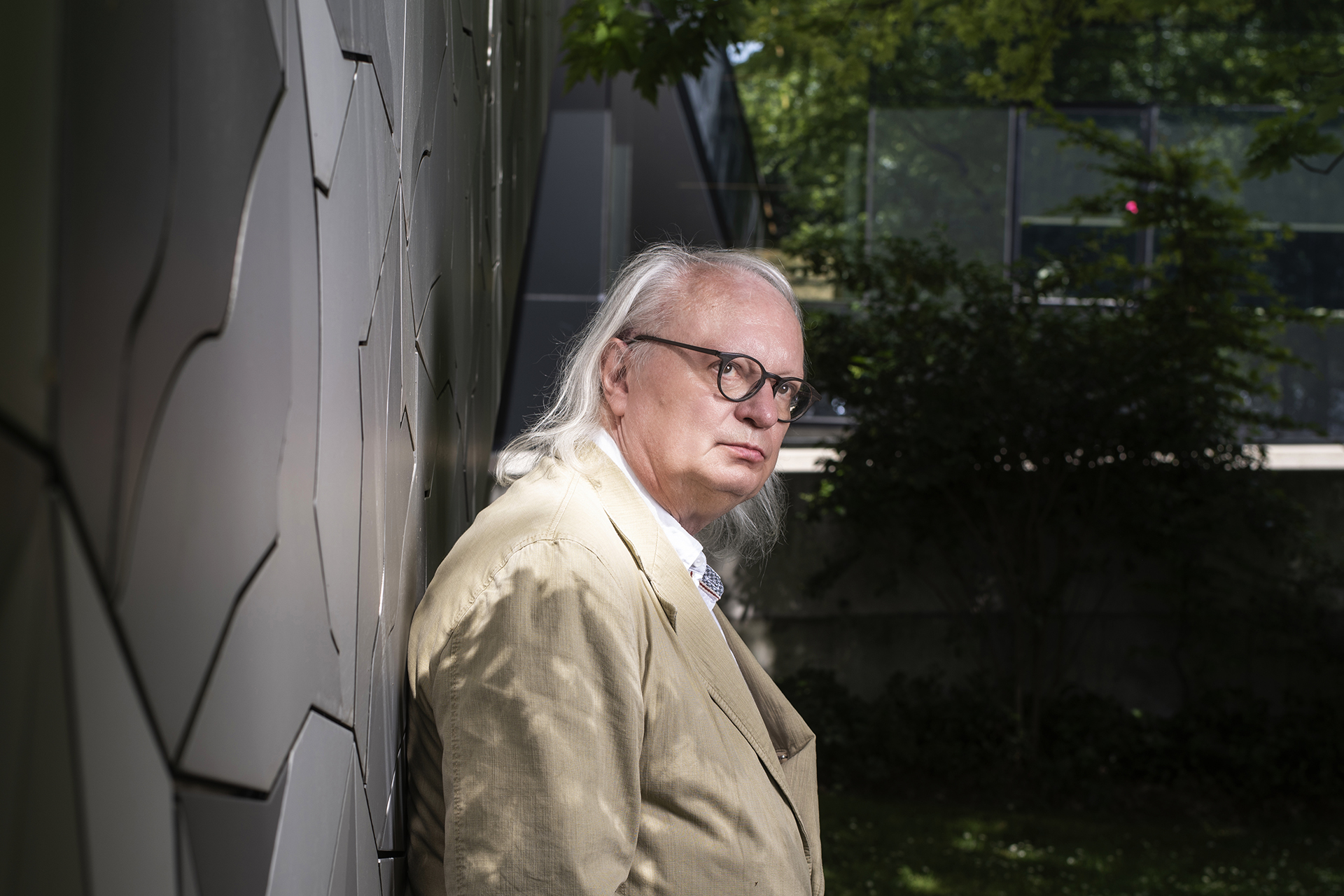
- Tuesday 21 July (4:30 pm) Church of S. Agostino: lecture by Philippe Manoury Real-Time Music Composition
- Wednesday 22 July (4:30 pm) Church of S. Agostino: lecture by Philippe Manoury, Miller Puckette and Juliana Snapper Introduction to the New Composition for Voice and live electronics
- Thursday 23 July (4:30 pm) Church of S. Agostino: lecture by Philippe Manoury, Anton Gerzenberg and Miller Puckette “Das Wohlprepärierte Klavier” by Philippe Manoury
19 AUGUST / 25 AUGUST
Learn more
GENERAL INFORMATION
The course is open to all instrumentalists, singers, and established ensembles.
(max. 6 students / individual lessons of 45 minutes per day)
Open to all instrumentalists and singers
(group lessons of 5 hours per day)
All students, including Siena Jazz students, are required to pay the registration fee (€48).
– learning to build and manage the creative process without predetermined models
– deepening the relationship between conscious listening and reaction
– defining different levels of self-resonance and musical perception
– developing a complementary instinct among musicians in instrumental action
– increasing the speed of constructing internal musical balances within the group
– acquiring the ability to recognize, develop, and place thematic figures in dialogue, accompanying narrative subjects and developing them semantically within morphological structures: the three narrative parameters
(“Improvisation Is Not Improvised”).
CHIGIANA–MOZARTEUM BAROQUE PROGRAM 2026
26 AUGUST / 1 SEPTEMBER
Learn more
GENERAL INFORMATION
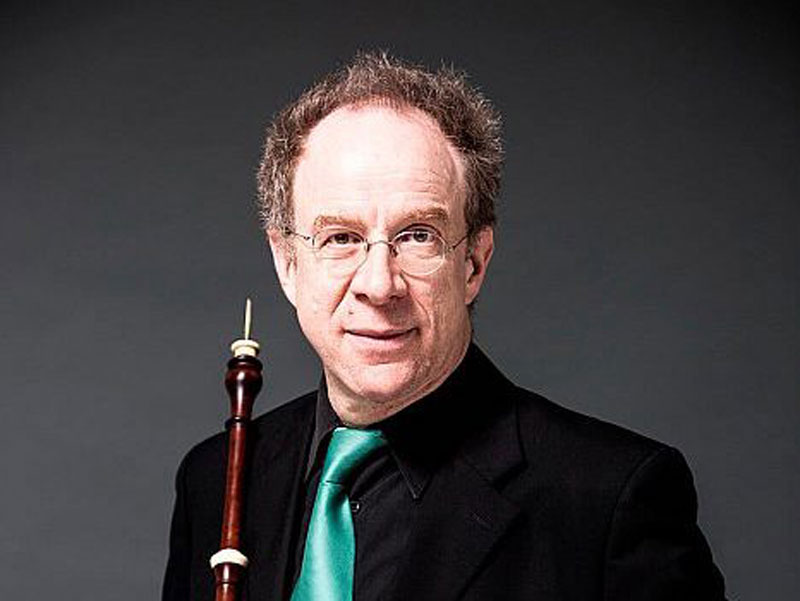
Repertoire and technique of 18th-century oboes – Baroque oboe, oboe d’amore, oboe da caccia, and Classical oboe. Reed making.
Solo, chamber, and orchestral music by Bach, Vivaldi, Telemann, Händel, Hotteterre, Philidor, Couperin, and others.
Within the framework of the Chigiana International Festival 2026, some students may have the opportunity to perform in concert together with the professors of the Baroque Program.
The entrance examination must be taken exclusively via video audition.
Candidates must submit a video featuring one or more pieces of their choice from significant works of the Baroque repertoire, demonstrating a solid level of performance ability.
26 AUGUST / 1 SEPTEMBER
Learn more
GENERAL INFORMATION
The course aims to guide participants toward solving technical and/or musical issues and to teach a self-learning technique applicable at all levels.
Reflection on the nature of musical gesture—applicable to all repertoires—will play a central role in this course.
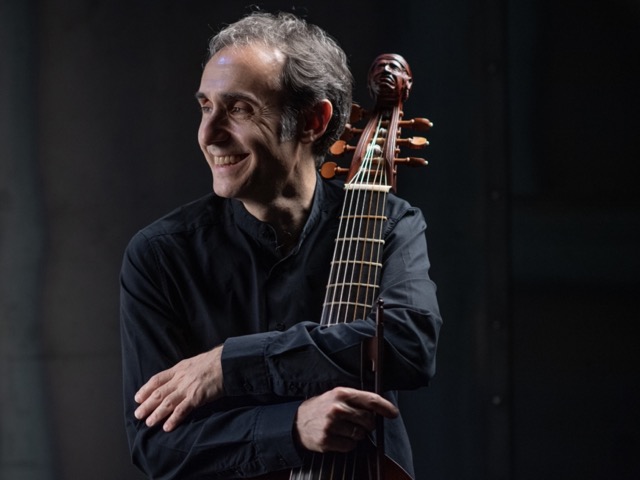
The “secret” pedagogical alphabet of Marin Marais and the new sources related to it, rediscovered and studied by the Mozarteum research team, will constitute a significant part of the course’s teaching.
Tools will also be provided for the practice and teaching of viol consort playing, with in-depth exploration of its technical, musical, and interpretative issues.
Within the framework of the Chigiana International Festival 2026, some students may have the opportunity to perform in concert together with the professors of the Baroque Program.
The entrance examination must be taken exclusively via video audition.
Candidates must submit a video featuring one or more pieces of their choice from significant works of the Baroque repertoire, demonstrating a solid level of performance ability.
ELISA CITTERIO
26 AUGUST / 1 SEPTEMBER
Learn more
GENERAL INFORMATION
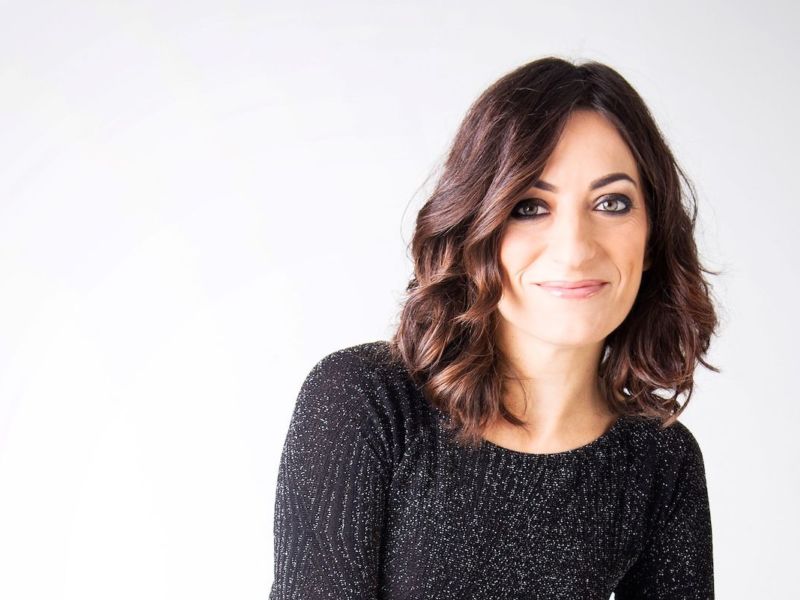
The masterclass includes daily sessions in which students will be able to explore in depth the historical approach to repertoire ranging from the early Baroque period through Romanticism.
Technical aspects will be addressed to support the development of virtuosity in instrumental writing, and for those who wish, it will be possible to design a daily study plan aimed at mastering bow technique and achieving greater ease and fluency in the left hand.
Participation is possible with violin, viola, or both.
Within the framework of the Chigiana International Festival 2026, some students may have the opportunity to perform in concert together with the professors of the Baroque Program.
ENTRANCE EXAMINATION
The entrance examination must be taken exclusively via video audition.
Candidates must submit a video featuring one or more pieces of their choice from significant works of the repertoire, demonstrating a solid level of performance ability.
26 AUGUST / 1 SEPTEMBER
Learn more
GENERAL INFORMATION
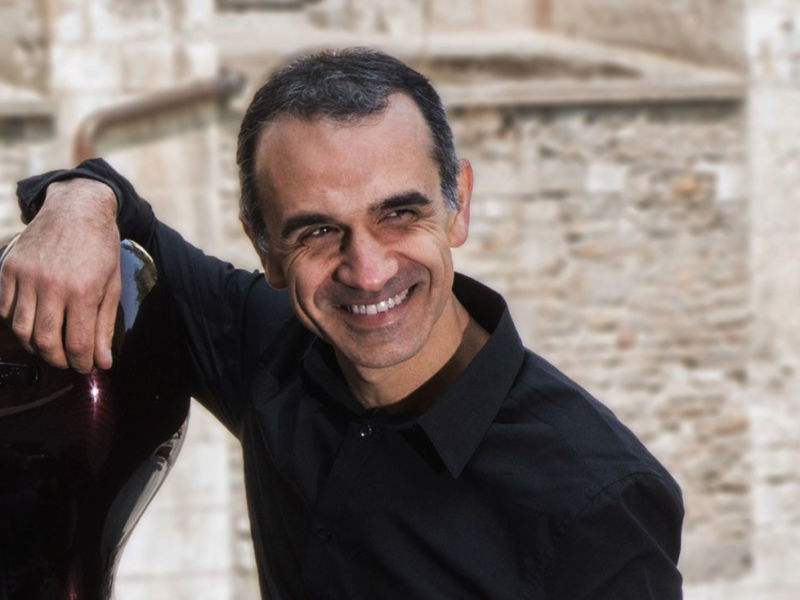
The course is dedicated to cellists who wish to deepen their knowledge of performance practice from the Baroque and Classical periods.
Particular attention will be given to the use of bow articulation, a key element for the interpretation of eighteenth-century musical texts.
During the course there will also be lessons in continuo playing.
With students who have a good knowledge of harmony, it will be possible to work on chord realizations in recitatives from eighteenth-century vocal music.
As part of the Chigiana International Festival 2026, some students may have the opportunity to perform in concert with the teachers of the Baroque Program.
The admission exam must be taken exclusively via video audition.
Candidates must submit a video of two pieces of their choice from significant works of the Baroque and Classical repertoire demonstrating a good level of performance ability.
26 AUGUST / 1 SEPTEMBER
Learn more
GENERAL INFORMATION
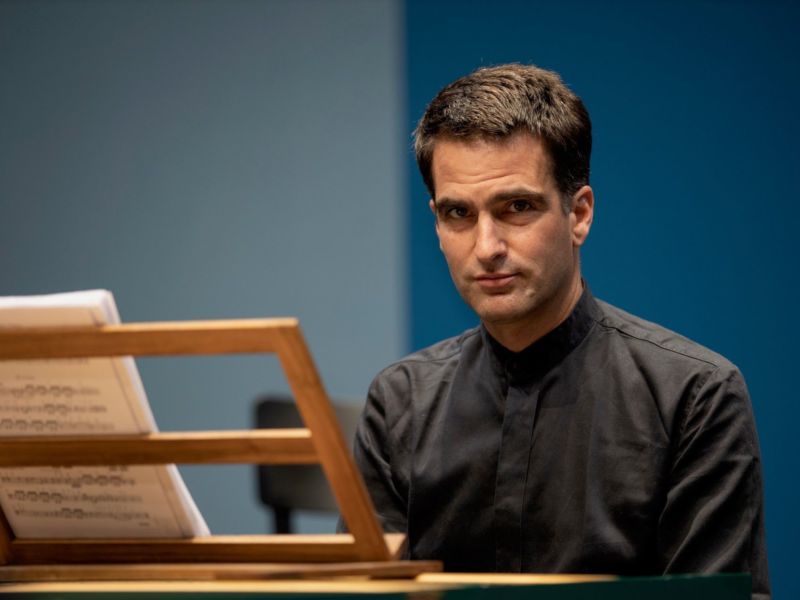
Solo harpsichord repertoire from the early Baroque to the early Galant style.
Fortepiano (five-octave instrument) repertoire up to approximately 1800, including solo and chamber music.
Basso continuo and ensemble practice.
Within the framework of the Chigiana International Festival 2026, some students may have the opportunity to perform in concert together with the faculty of the Baroque Program.
ADMISSION EXAM
The entrance examination must be taken exclusively via video audition.
Candidates must submit a video featuring one or more pieces of their choice from significant works of the Baroque repertoire, demonstrating a solid level of performance ability.
26 AGOSTO / 1 SETTEMBRE
Learn more
GENERAL INFORMATION
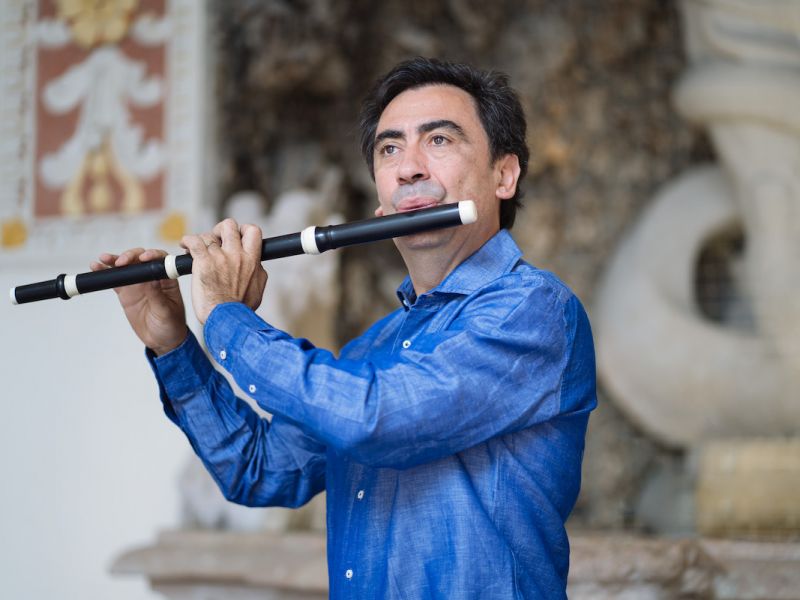
Traversiere – repertoire, technique, primary sources, and related implications within the sound philosophy of the traverso from the 16th to the 19th century.
Performance practice of different styles, ornamentation, and the theory of the affections.
Solo, chamber, and orchestral music by Italian, French, and German composers.
Within the framework of the Chigiana International Festival 2026, some students may have the opportunity to perform in concert together with the professors of the Baroque Program.
ADMISSION EXAM
The entrance examination must be taken exclusively via video audition.
Candidates must submit a video featuring one or more pieces of their choice from significant works of the Baroque repertoire, demonstrating a solid level of performance ability.